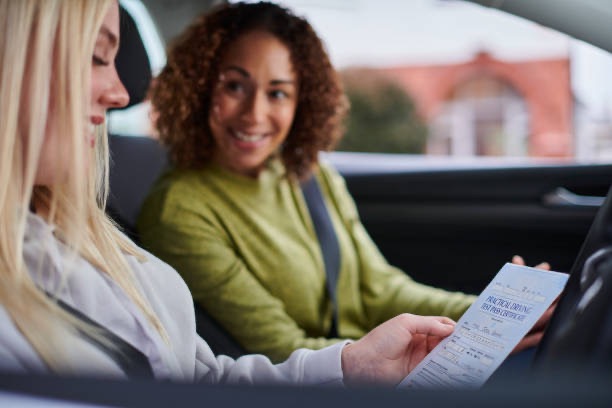


What Are Automatic Driving Lessons Like?
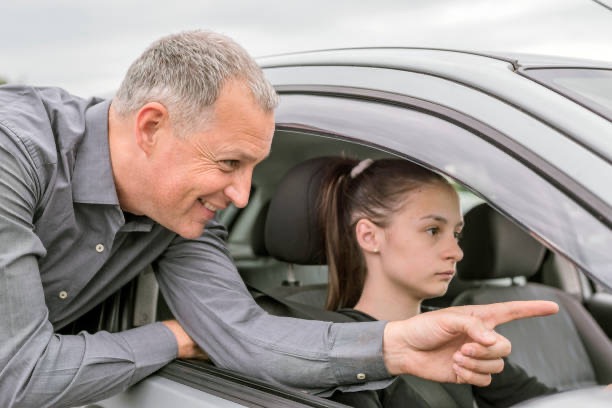
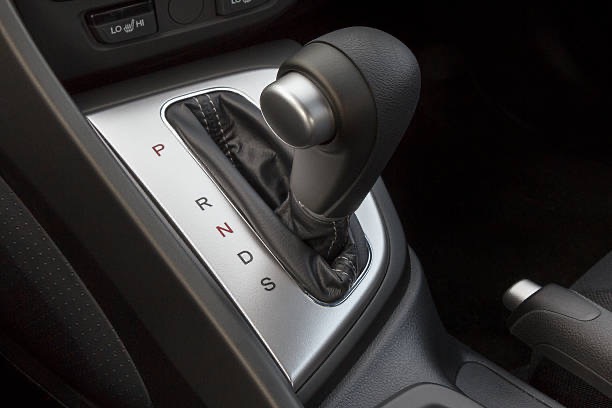
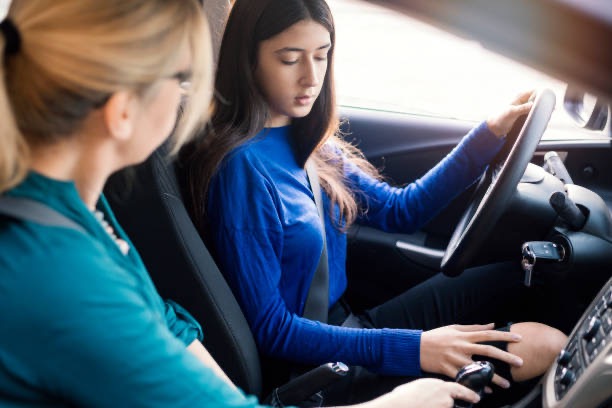
Automatic driving lessons offer a simpler, more relaxed learning experience compared to manual lessons. You’ll still cover all the same essential skills—road safety, traffic rules, manoeuvres, roundabouts, and parking—but with one major difference: there’s no need to shift gears or use a clutch pedal.
In an automatic car, the gearbox handles all the shifting for you, which means you can focus more on:
• Steering
• Speed control
• Traffic awareness
• Road positioning
You’ll still be taught the full range of driving skills needed to pass your test, including: See Price

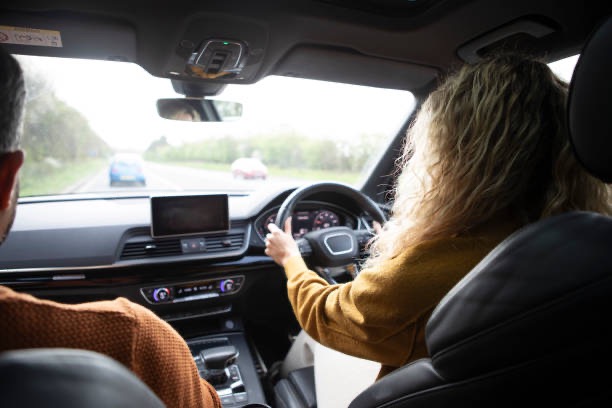
Automatic Driving Lessons
With automatic driving lessons, you’ll still follow a structured and progressive learning process, just like in manual lessons. You’ll cover all the key skills needed to drive safely and confidently, including:
• Cockpit checks
• Mirror–Signal–Manoeuvre routines
• Junctions and roundabouts
• Emergency stops
• Hill starts and angled starts (yes, even in an automatic!)
The main difference is that automatic cars remove the need for clutch control and gear changes. This can make learning feel easier and reduce:
• Stalling
• Gear misjudgements
• Panic in busy traffic
For many learners, this means building confidence faster and focusing more on road awareness rather than vehicle mechanics.
Automatic Driving Lessons: Are They Suitable for You?
While manual transmission vehicles have long been the standard in the UK, automatic cars are becoming increasingly popular — particularly in urban areas and among new drivers who want a simpler learning experience.
Benefits of Learning to Drive in an Automatic
• No gear changes – Lets you focus fully on the road and traffic conditions.
• No clutch pedal – Removes the challenge of finding the biting point and reduces the risk of stalling.
• Smoother in traffic – Ideal for stop–start driving in busy city environments.
• Quicker to learn – Many learners reach test standard in fewer lessons.
• Great for anxious learners – With less to think about, it’s easier to stay calm and build confidence.
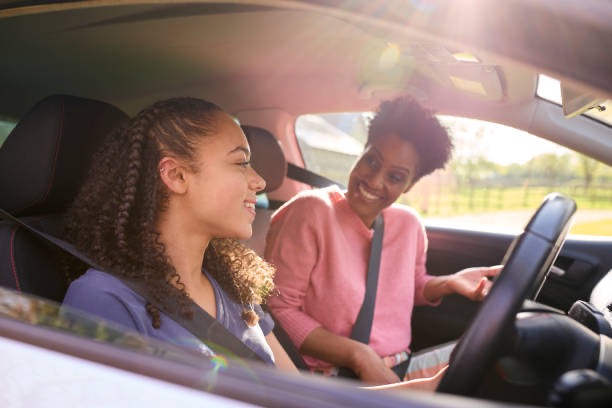
Considerations of Learning in an Automatic
• Licence restriction – If you pass in an automatic, you’re only licensed to drive automatic vehicles, unless you retake your test in a manual.
• Higher costs – Automatic cars are often more expensive to buy, maintain, and insure.
• Fewer options abroad or on a budget – Manual cars are more common worldwide and usually cheaper on the used market.
• Career requirements – Some jobs or vehicle types may require a manual licence.
That said, with the growing popularity of hybrid and electric vehicles (which are all automatic), this limitation is becoming less of a concern for many new drivers.
Would a Manual Car Be Better?
Manual driving lessons still have their advantages — particularly if you:
• Want maximum flexibility after passing
• Expect to drive a manual company car or a second-hand car
• Are learning on a tight budget, since manual cars are often cheaper to buy and insure
Passing your test in a manual car means you’re legally allowed to drive both manual and automatic vehicles, giving you more long-term options.
However, with the 2035 ban on new petrol and diesel cars approaching, the majority of future vehicles will be automatic or electric.
Ultimately, the best choice depends on your needs, driving environment, and future goals — whether that’s flexibility, cost, or preparing for the shift toward electric cars.
Final Thoughts
Choosing automatic driving lessons is a smart option for many learners. It can offer:
• Faster progress to test standard
• Lower stress while learning
• Smoother driving in stop–start traffic
If your goal is simplicity, confidence, and future-proofing your driving (especially with the rise of electric and hybrid cars), automatic lessons are an excellent choice.
That said, if you value maximum flexibility and don’t mind learning the extra skill of clutch control, a manual licence may still be worth pursuing.
The best option comes down to your personal goals, lifestyle, and driving environment — so choose the path that suits you best.
What Is an Automatic Car?
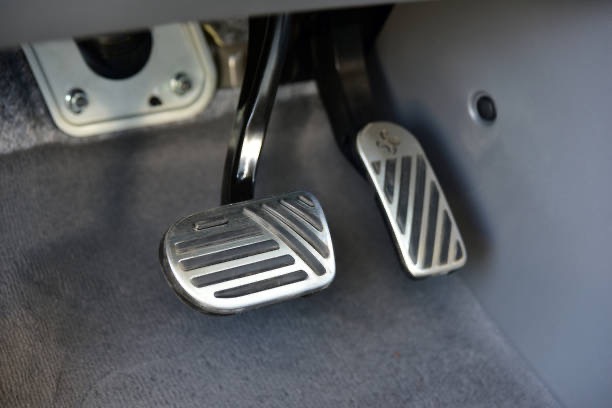
An automatic car is a vehicle that changes gears for you, without the need for a clutch pedal. Unlike manual cars, which require you to shift gears yourself, an automatic transmission adjusts automatically based on your speed and acceleration.
Key Features of Automatic Cars:
• No clutch pedal – You only use the accelerator and brake.
• Simpler to drive – No gear changes or stalling.
• Easier in traffic – Perfect for stop–start city driving.
• Future-focused – Most hybrids and electric cars are automatic.
Automatic cars are ideal for learners who want a simpler driving experience and are especially popular in urban areas.
If You Pass in a Manual Car:
• You can drive both manual and automatic cars.
• This gives you more flexibility when buying, renting, or borrowing cars.
• It may be required for certain jobs or vehicles.
If You Pass in an Automatic Car:
• You can only drive automatic cars (unless you later retake the test in a manual).
• This can be limiting if you need a manual car for work, travel, or affordability reasons.
• However, with the rise of electric and hybrid cars (all automatic), this restriction is becoming less of a concern.