


How to Prepare for Your First Driving Lesson
Starting your driving journey is exciting — but it’s perfectly normal to feel a little nervous. The key is to be prepared, relaxed, and open to learning. Here are some tips to help you make the most of your first lesson:
1. Bring the Right Documents
Before you leave the house, make sure you have:
• Your provisional/learner’s driving licence
• Any additional documentation your instructor may require (e.g. proof of ID, parental consent if under 18)
• A notebook and pen to jot down tips and observations during or after your lesson
These small steps ensure your session runs smoothly from the star

Wear Suitable Footwear
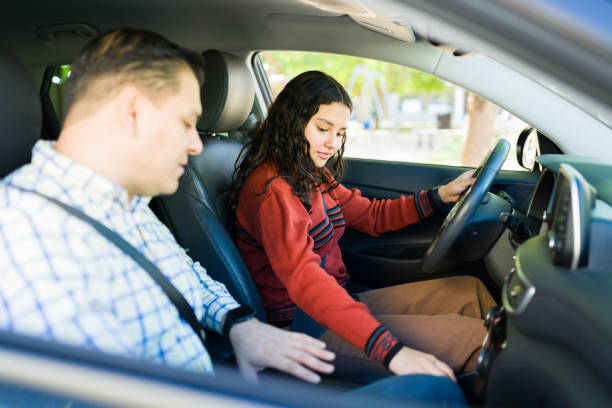
Your choice of shoes can affect your ability to drive safely.
Do wear:
• Comfortable, flat-soled shoes
• Footwear that allows you to easily feel and control the pedals
Avoid:
• Flip-flops
• High heels or wedges
• Thick-soled boots or sandals
The better you can feel the pedals, the more control you’ll have behind the wheel.
Stay Open, Attentive, and Curious
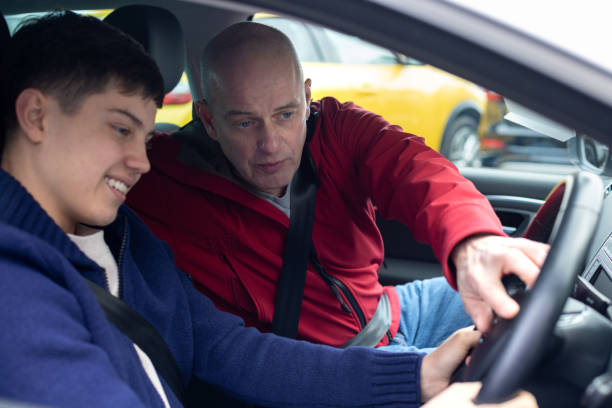
Your instructor is there to help you learn — not to judge you.
• Listen carefully to their guidance
• Ask questions if you’re unsure about anything
• Use the time to build your understanding of the car, road rules, and safe driving habits
Remember: no question is too small, especially in the early stages of learning
Feeling anxious is completely normal — especially during your first few lessons. Try to:
• Take deep, calming breaths before and during the session
• Remind yourself: this is a learning experience, not a test
• Trust your instructor — they’re trained to guide you at your own pace
You don’t need to get everything perfect right away. What matters most is that you show up, stay positive, and keep practicing.
Manage Your Nerves

Taking Driving Lessons – Who Can Teach You
Taking Driving Lessons – Who Can Teach You
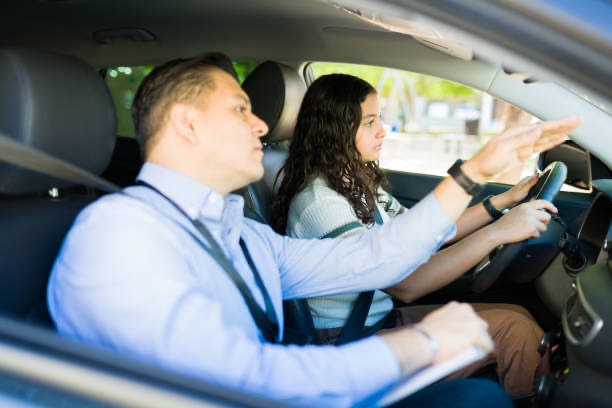
If you’re paying someone to teach you to drive, they must be either:
• A qualified and approved driving instructor (ADI)
• A licensed trainee driving instructor, working towards full qualification
This is a legal requirement and ensures you’re being taught by someone who meets the standards set by the Driver and Vehicle Standards Agency (DVSA).
Learning from an ADI or a registered trainee guarantees:
• Proper knowledge of current driving laws and techniques
• A structured and DVSA-compliant teaching approach
• Feedback tailored to help you pass your driving test confidently and safely
🔍 Want to check if your instructor is approved?
You can search the official DVSA register of instructors at GOV.UK.
Check Your Instructor’s Badge
Every instructor must display an official badge in their vehicle’s windscreen to show they’re registered with the Driver and Vehicle Standards Agency (DVSA). This helps you verify that you’re receiving lessons from a qualified professional.
Look out for:
• Green Badge – Fully qualified driving instructor (Approved Driving Instructor or ADI)
• Pink Badge – Trainee instructor (under supervision while working toward full qualification)
These badges are a legal requirement and should be clearly visible during your lessons.
Always check for the badge before starting your lesson. It’s your right to know you’re in safe, certified hands.

Learn with a Driving Instructor
Learn with a Driving Instructor
While friends or family can help you get extra practice, it’s highly recommended that your core driving lessons are taught by a DVSA-approved driving instructor (ADI).
Approved instructors have the training, experience, and up-to-date knowledge needed to:
• Teach you correct driving techniques
• Prepare you for the theory and practical tests
• Instill safe driving habits for life
• Help you build confidence behind the wheel
It’s unlikely that anyone who isn’t an ADI will have the expertise or structure needed to help you learn properly and pass efficiently.
When it comes to learning to drive, professional instruction is the best foundation for success.


You’ve Got This!
Learning to drive is a step-by-step journey. With preparation, a calm mindset, and the support of your instructor, you’ll build confidence behind the wheel in no time.
Best of luck — and enjoy the ride ahead
Remember: no question is too small, especially in the early stages of learning
• Use the time to build your understanding of the car, road rules, and safe driving habits
• Ask questions if you’re unsure about anything
• Listen carefully to their guidance
Your instructor is there to help you learn — not to judge you.
Stay Open, Attentive, and Curious
Driving Lessons – What You Need to Know
Driving Lessons – What You Need to Know
No Set Number of Lessons
There is no minimum number of lessons or practice hours required before taking your driving test.
How many lessons you need depends on:
• How quickly you learn
• How often you practice
• Your confidence on the road
• Your previous driving experience (if any)
Everyone learns at their own pace — focus on building skill and confidence, not just counting hour