

Manual Driving Lessons: A Complete Guide
What Are Manual Driving Lessons?
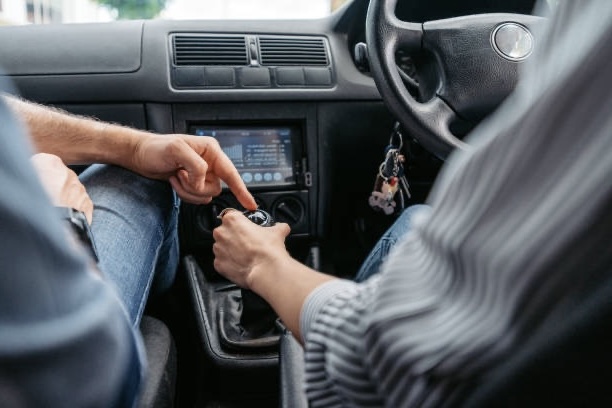
Manual driving lessons are structured sessions with a qualified driving instructor where you’ll learn to drive a manual (stick-shift) vehicle. These lessons cover the same road safety and driving principles as automatic lessons but add extra focus on:
• Changing gears manually
• Using the clutch pedal
• Coordinating your hands and feet smoothly
You’ll also learn how to start, stop, and handle the car confidently while managing gear control.

How Do Manual Driving Lessons Work?
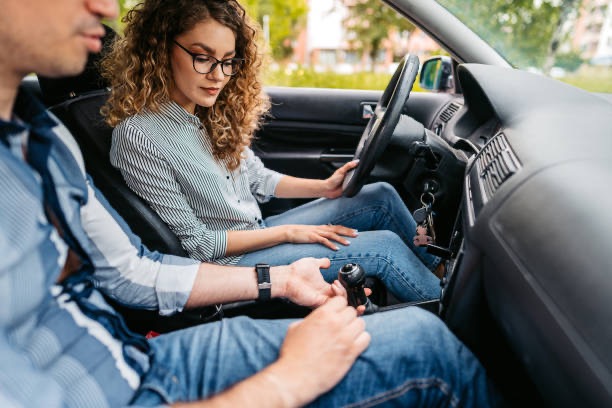
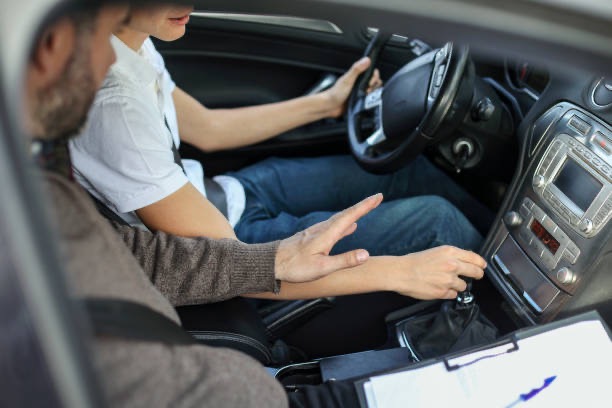
Manual lessons are typically one-to-one sessions with a certified instructor. Here’s how they work step-by-step:
Introduction & Cockpit Drill
Your first lesson usually begins with understanding the cockpit controls, including:
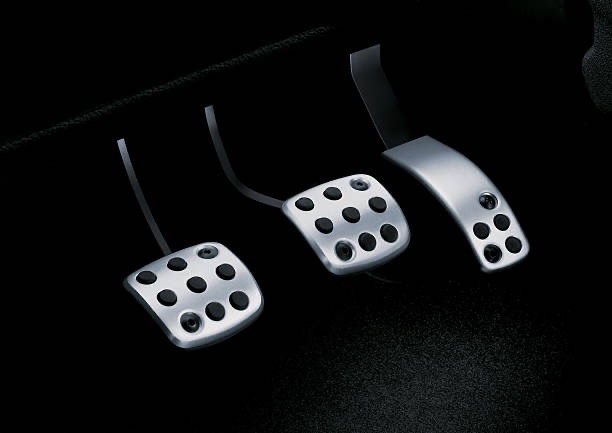
• Clutch, brake, and accelerator pedals
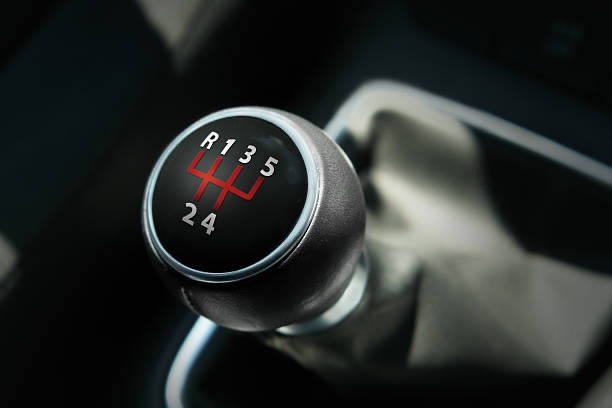
• Gear stick
• Handbrake
• Mirrors and seat adjustments
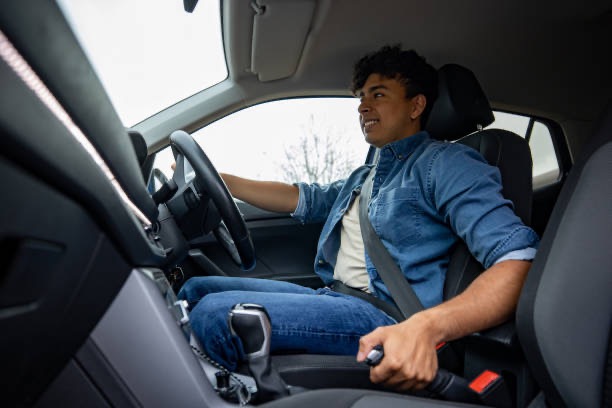
You’ll be taught the “Cockpit Drill” – a pre-driving checklist:
• Doors – Closed and secure
• Seat – Adjusted for comfort and pedal reach
• Steering – Hands in the correct position
• Seatbelt – On and secure
• Mirrors – Adjusted for full visibility
Understanding the Clutch & Gears
Unlike automatics, manual cars require manual gear shifting and clutch control. Your instructor will show you how to:
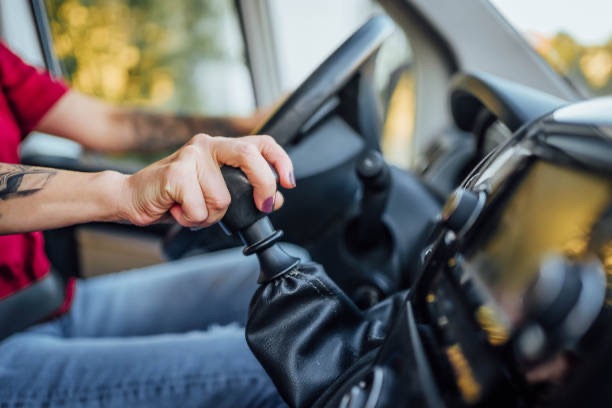
• Press the clutch to change gears
• Use the gear stick to shift (typically 1st to 5th, plus reverse)
• Find the biting point – the point where the clutch engages with the engine
Moving Off and Stopping
You’ll practice:
• Starting the car smoothly
• Moving off using the clutch and accelerator
• Stopping the vehicle using brakes and clutch in sync
Changing Gears While Driving
Once you’re moving:
• You’ll learn when to change gears based on engine sound or speed
• You’ll practice upshifting (e.g., 2nd to 3rd) and downshifting (e.g., 4th to 3rd)
Driving Manoeuvres
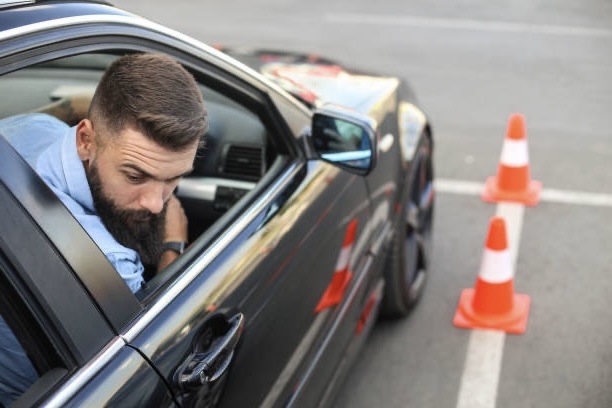
As you progress, you’ll learn key skills like:
• Hill starts
• Emergency stops
• Parallel parking
• Three-point turns
• Reversing
Practice & Progress
Each lesson will build on the last. You’ll gain confidence with:
• Clutch control in traffic
• Gear changes at different speeds
• Smooth and safe driving techniques
Manual lessons can be slightly more challenging than automatic ones, but they come with several benefits:
Manual Driving Lessons: Are They for Me?
Manual Driving Lessons – Advantages and Considerations
Advantages
• More flexibility – Passing in a manual allows you to drive both manual and automatic cars
• Greater vehicle choice – Manual cars are often cheaper to buy, insure, or rent
• Improved car control – Gives you more direct control over speed, power, and handling
• Useful for certain careers – Some jobs (e.g. delivery driving, trades, or driving abroad) may require manual driving skills
Considerations
• Requires coordination – You’ll need to use both hands and feet together, especially for gear changes
• Steeper learning curve – More challenging for brand-new drivers compared to automatics
• Left-leg mobility needed – You must operate the clutch pedal with your left foot
Final Tips
• Don’t be discouraged if learning manual driving feels difficult at first — it gets easier with consistent practice.
• Take regular lessons and make the most of your instructor’s feedback to improve faster.
• Spend extra time on clutch control, as it’s the foundation of smooth and confident manual driving.
Remember: progress may feel slow at times, but every practice session brings you closer to being a safe, skilled, and independent driver.
How Do Manual Driving Lessons Operate?
Manual driving lessons follow a process similar to automatic lessons, but with the added focus on learning when and how to change gears. To do this, learners must use an additional pedal — the clutch — in coordination with the accelerator and brake.
Through structured lessons, learners develop the core skills needed for safe and confident driving. These include understanding vehicle controls, practising manoeuvres, and applying good road awareness in different conditions.
While gear changes and clutch control may feel challenging at first, consistent practice helps build confidence. Over time, these skills become second nature, forming the foundation of smooth and efficient manual driving.
Manual Driving Lessons Are the Right Choice for You!
Manual driving lessons are often more challenging than automatic lessons because of the need to master gears and clutch control. However, learning to drive in a manual car has a big advantage:
• If you pass your test in a manual, you’ll be licensed to drive both manual and automatic cars.
• If you pass in an automatic, you’ll only be allowed to drive automatic vehicles.
This flexibility means passing your test in a manual can give you more choice when buying, renting, or borrowing cars, and it may even save you money.