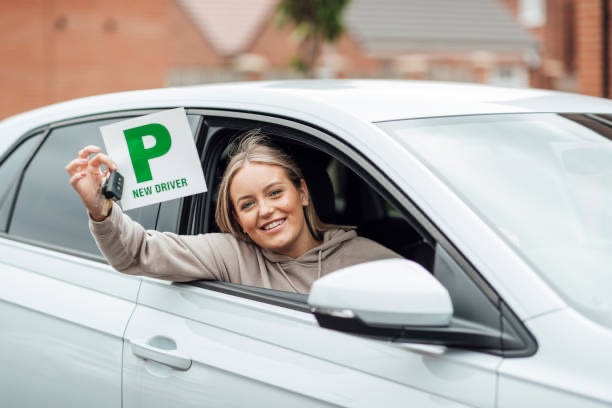


How the DVSA Examiner Conducts the Real Driving Test
• Meeting the Candidate:
The examiner will arrive at the agreed test centre or arranged location (sometimes your home if it’s a driving test in a driving school car). They introduce themselves briefly and start with a friendly tone to help ease nerves.• Licence and Eyesight Check:
The very first step is to check your provisional driving licence to confirm your identity and eligibility.Then, they ask you to read a number plate from 20 metres away (around 65 feet) to test your eyesight.
• Failing this check means the test ends immediately.
‘Show Me, Tell Me’ Vehicle Safety QuestionsBefore you start driving:
• The examiner will ask one ‘Tell Me’ question where you explain how you’d carry out a safety check. For example:“Tell me how you’d check the brakes are working before starting a journey.”
While driving:
• You’ll be asked one ‘Show Me’ question where you demonstrate how to operate a safety function, like operating the windscreen wipers. See Price
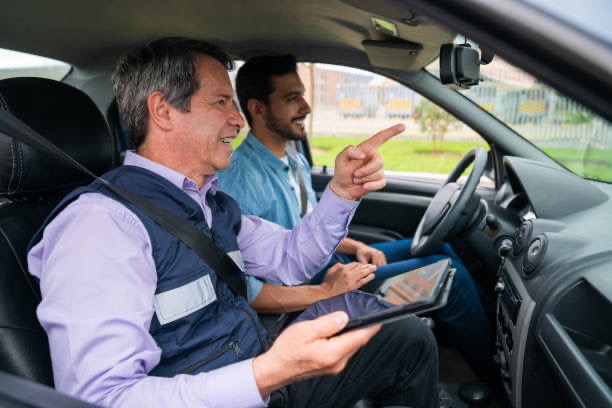
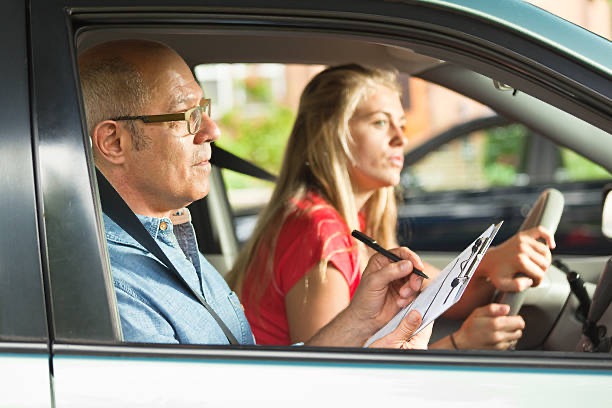
Start of the Driving Test
• The examiner will give you clear instructions to start the engine and begin the test.
• They will observe how you prepare to move off, including:
• Correct use of mirrors
• Signalling when appropriate
• Proper control of the car
General Driving Ability Assessment
During the test, lasting about 40 minutes, the examiner will assess your driving on various road types and conditions:• Urban driving: Navigating through traffic, junctions, pedestrian crossings, traffic lights.
• Rural roads: Handling narrow, winding roads, hills, and assessing speed.
• Dual carriageways: Safe lane discipline, overtaking, and speed management.
• Roundabouts: Correct lane positioning, signalling, and safe merging.
• One-way systems: Awareness of signs and proper navigation. See Price
Reversing Manoeuvre
At some point during the test, the examiner will ask you to perform one reversing manoeuvre, which could be:
• Parallel park at the side of the road
• Bay parking in a parking space
• Pull up on the right, reverse two car lengths, and rejoin traffic
You must demonstrate good control, awareness of surroundings, and safe execution.
Independent Driving (Approx. 20 Minutes)
You will be asked to drive independently for about 20 minutes, which means following either:
• Directions from a sat nav provided by the examiner, or
• Road signs to a specified destination.
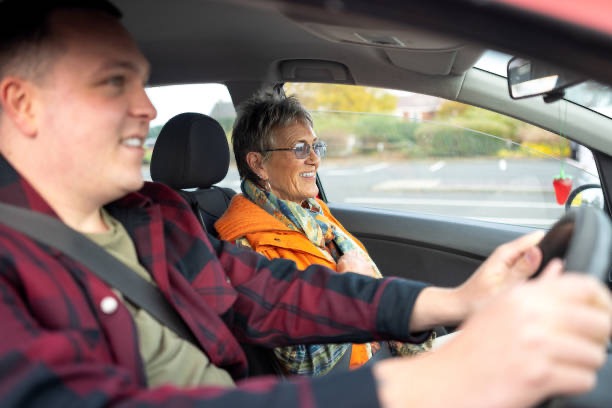
This tests your ability to drive without continuous instruction, make safe decisions, and follow navigation cues.
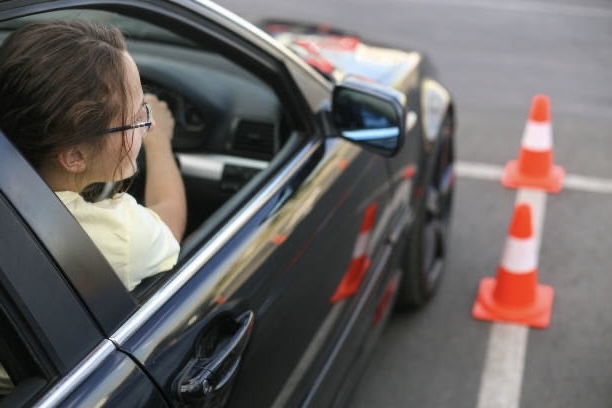
Emergency Stop (Possible)
The emergency stop is tested in about 1 in 3 tests (randomly). If included, the examiner will:
• Ask you to pull over and perform an emergency stop.
• You’ll be expected to stop the car safely and quickly on the examiner’s command.
Return to Test Centre
• After completing the route, you’ll return to the test centre or agreed finish point.
• The examiner observes your manoeuvring as you park or stop.
Giving Feedback
• The examiner will give you immediate feedback.
• They will explain whether you passed or failed.
• If you failed, they will outline the reasons, specifying any faults:
• Minor faults: Small errors that don’t affect overall safety (accumulate up to 15 before failing).
• Serious faults: Mistakes that could cause danger or break the law, leading to an immediate fail.
• Dangerous faults: Actions putting others at significant risk, resulting in an immediate fail.
Test Certificate
• If you pass: The examiner will give you a pass certificate straight away. You can then apply for your full driving licence.
• If you fail: The examiner will explain the reasons and highlight the areas you need to improve before retaking the test.
Either way, you’ll get valuable feedback to help you move forward.
Extra Tips for Test Day
• Stay calm: Examiners expect some nerves; don’t let anxiety affect your driving.
• Listen carefully: Always follow examiner instructions precisely.
• Be prepared to stop: At junctions, crossings, and as instructed.
• Use the correct observation: Mirror checks before every manoeuvre.
• Don’t rush: Drive at a safe, controlled speed.
• Ask for clarification: If you don’t understand an instruction, ask politely.
Check You’re Ready to Pass
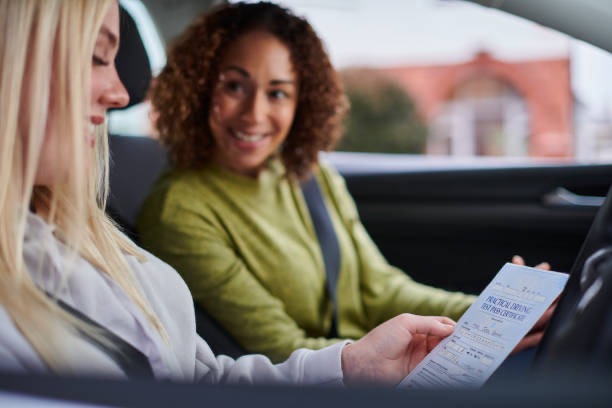
You’ll usually know you’re ready to take your driving test when:
1. You no longer need prompts or reminders from your instructor.
2. You can drive without making serious or dangerous mistakes.
3. You can pass mock driving tests under exam-style conditions.
4. You’ve practised ways to manage your nerves and can stay calm while driving.
5. Your driving instructor agrees that you’re fully prepared.
If you can tick all these boxes, you’re in a strong position to book your test with confidence.

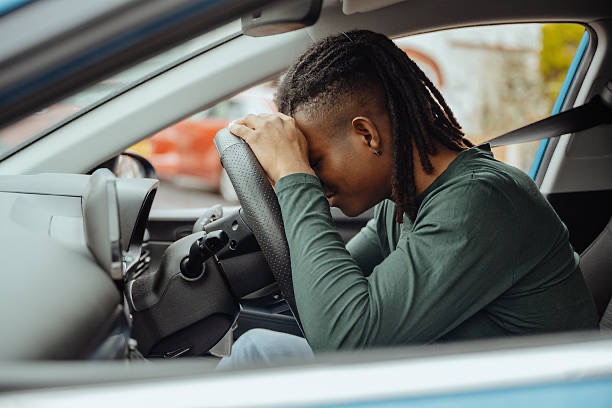
50 out of every 100 tests were failed in June 2025” True?
• I didn’t find specific data for June 2025 that confirms exactly “50 out of 100 driving tests were failed” (i.e. a 50% failure rate) in Great Britain. None of the sources I checked had June’s precise figures.
• The sources do support that the pass rate around that period was very close to 50%, meaning a failure rate also close to 50%. But “exactly 50% failed” in June is not verified by the data I saw.
Book Now
Move Your Driving Test if You’re Not Feeling Ready
You’re much more likely to pass if you reschedule your test and give yourself extra time to prepare. This allows you to:
• Brush up on your driving skills
• Take a few more mock tests
• Practise ways to manage your nerves
It’s free to change your test appointment, as long as you do it at least 10 full working days (Monday to Saturday) before your test date.
By moving your test, you’re not only giving yourself the best chance to pass — you’re also freeing up an appointment for someone else who’s ready.