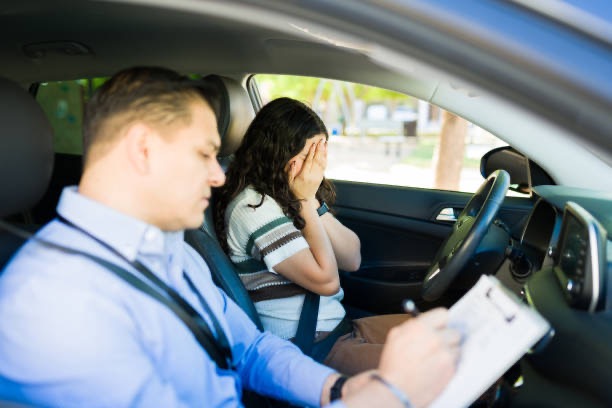


Ready to Pass?
What Is the UK Practical Driving Test?
The UK practical driving test is the final stage in becoming a fully licensed driver. It is conducted by the DVSA (Driver and Vehicle Standards Agency) and is designed to check whether you can drive safely, competently, and confidently on public roads.
Before you can book your practical test, you must first pass the theory test, which covers road rules, hazard perception, and safe driving knowledge.
During the practical test, examiners will assess your ability to:
• Drive safely in different traffic and road conditions
• Show good control of the vehicle• Demonstrate knowledge of the Highway Code in practice
• Perform specific driving manoeuvres (e.g. parking, reversing, emergency stop)
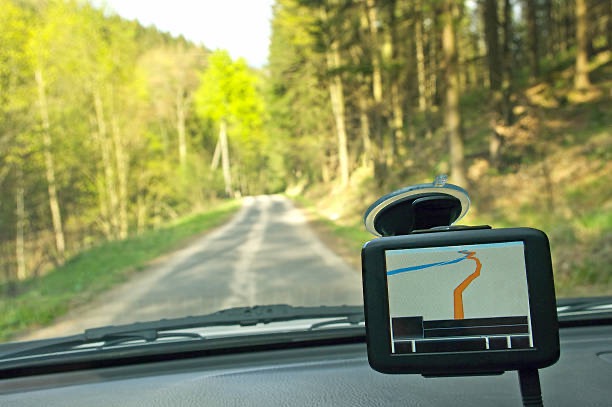
• Drive independently by following either sat-nav directions or road signs
Passing the test proves that you have the skills needed to be a responsible driver on UK roads. See Price

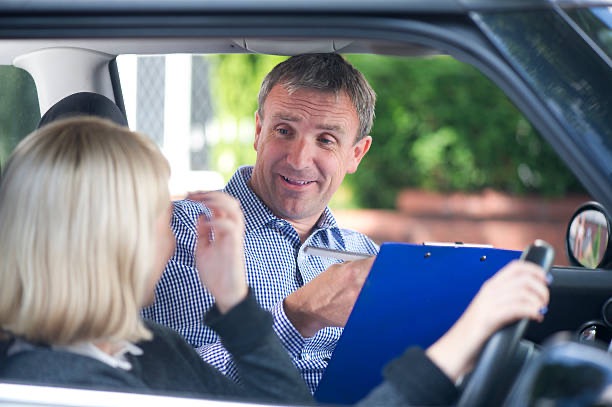
What the Test Includes
Here’s a breakdown of what happens during the test:
Eyesight Check
• You’ll be asked to read a number plate from a distance of:• 20 metres (for a new-style plate)
• 20.5 metres (for an older-style plate)
• Failing this check means your test will end immediately.
‘Show Me, Tell Me’ Vehicle Safety Questions
• You’ll be asked one ‘tell me’ question at the start (e.g. explain how you’d check the tyres or lights).• You’ll be asked one ‘show me’ question while driving (e.g. demonstrate how to wash and clean the windscreen).
General Driving Ability
• You’ll drive in varied road and traffic conditions (excluding motorways).• The examiner will give you directions to follow.
• You’ll be assessed on your control, awareness, and safe decision-making. See Price
Independent Driving
• Lasts about 20 minutes
• You’ll either:
• Follow sat nav directions (supplied by the examiner), or
• Follow traffic signs if sat nav isn’t used
Emergency Stop (around 1 in 3 tests)
• You may be asked to perform an emergency stop to show quick and safe reaction times.• Parallel park at the side of the road
• Park in a bay (either drive in and reverse out, or reverse in and drive out)
• Pull up on the right-hand side of the road, reverse for about 2 car lengths, then rejoin traffic
Reversing Manoeuvre (one of the following will be chosen):

Vehicle Safety Questions (“Show Me, Tell Me”)
During the test, the examiner will ask you two vehicle safety questions:
• 1 “Tell Me” question (before you start driving)
• Example: “Tell me how you’d check the brakes are working before a journey.”
• 1 “Show Me” question (while you’re driving)
• Example: “Show me how to wash the windscreen using the car controls.”
These questions test your basic knowledge of car safety and maintenance, ensuring you know how to carry out simple checks that keep you and other road users safe.
General Driving Ability
You’ll drive in a variety of traffic conditions and on different road types (but not motorways). The examiner will give you directions throughout and will be checking how safely and confidently you drive.
You’ll be assessed on:
• Starting and stopping the car safely
• Controlling your speed in different conditions
• Using mirrors and signals correctly and at the right time
• Positioning the car appropriately on the road
• Awareness and anticipation of other road users
• Handling junctions, roundabouts, and pedestrian crossings
This section is the main part of the test, showing how you cope with everyday driving situations.
Reversing Manoeuvres (You’ll Do 1 of These)
You’ll be asked to perform one of the following:
• Parallel park at the side of the road
• Reverse into a parking bay (either driving in and reversing out, or reversing in and driving out) at a car park
• Pull up on the right-hand side of the road, reverse for two car lengths, then rejoin traffic safely
The examiner will be watching for control, accuracy, and safety.
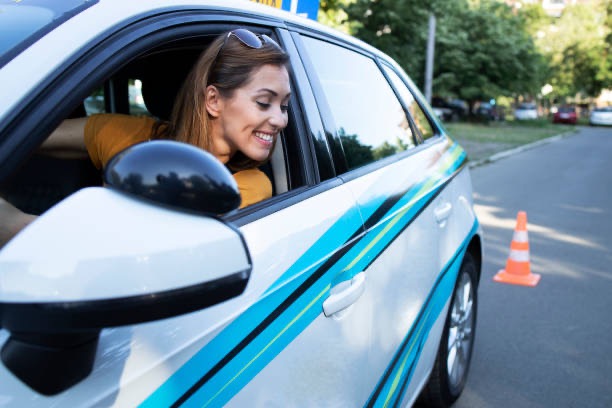

Independent Driving (20 minutes)
For about 20 minutes, you’ll drive without continuous step-by-step instructions from the examiner. Instead, you’ll be asked to either:
• Follow sat nav directions (the examiner will provide and set up the sat nav), or
• Follow road signs to a given destination.This part of the test checks your ability to make safe driving decisions independently, just as you would in everyday driving.
Tips to Pass First Time
• Take a mock test with your instructor under exam-like conditions• Practice independent driving using sat nav and road signs
• Master all reversing manoeuvres
• Drive in a variety of road types and weather conditions
• Stay calm, focused, and positive on test day
Book Now
How You Can Fail
You will fail the test if you:
• Make 1 serious or dangerous fault
• Accumulate more than 15 minor faults
There are three types of faults:
• Minor (driving fault): Small errors (e.g., slightly late signal)
• Serious fault: Something that could become dangerous
• Dangerous fault: Immediate danger to you or others