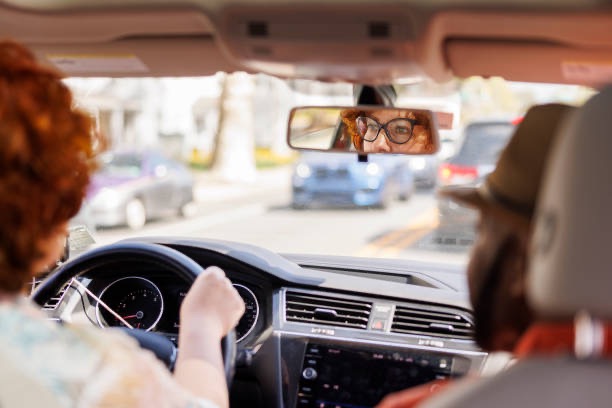


What Is a Mock Driving Test?
A mock driving test is a realistic practice version of your actual DVSA practical test. It simulates the full structure, timing, and conditions of the real test to prepare you for:
• What to expect on test day
• The type of driving the examiner will expect
• Managing nerves under test conditions
Mock tests are incredibly valuable because they:
• Highlight weak areas
• Build your test-day confidence
• Help you practice under pressure
Let’s break down exactly what a good mock test should include, why it’s important, and how it mirrors the real thing.

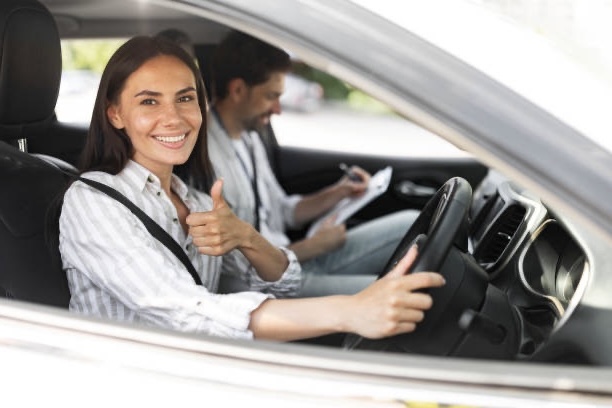
Full Breakdown of What a Mock Test Should Include
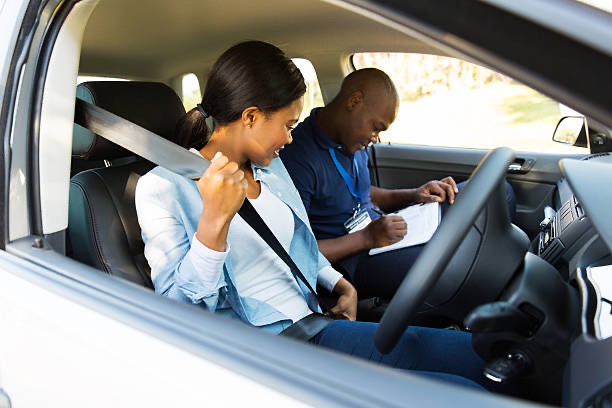
Driving Licence Check
Why: This simulates the real test’s ID verification process. You must bring your UK provisional driving licence on the day of the actual test. Your instructor will check it in your mock test to prepare you.
Tip: Ensure your name, photo, and address are correct and the card isn’t expired.
Eyesight Check
What: You’ll be asked to read a number plate from 20 metres away.
Why: Failing this in the real test means you fail automatically, and the test ends immediately.
Tip: Practice reading various plates at different distances, especially if you wear glasses or contacts.
Vehicle Safety Questions
You’ll answer:
“Tell me” question before driving“Show me” question while driving
Examples:
• Tell me: “How would you check the oil level?”• Show me: “Show me how you’d wash the windscreen.”
Why: These test your knowledge of basic vehicle safety and maintenance.
Tip: Learn all 21 official DVSA “Show Me, Tell Me” questions. These are always part of the real test.
General Driving Ability
Your instructor will assess how well you drive on different types of roads:• Urban roads (residential streets, busy town centres)
• Rural roads (country lanes with blind bends)
• Dual carriageways (higher-speed roads with multiple lanes)
• Multi-lane roundabouts• One-way systems Book Now
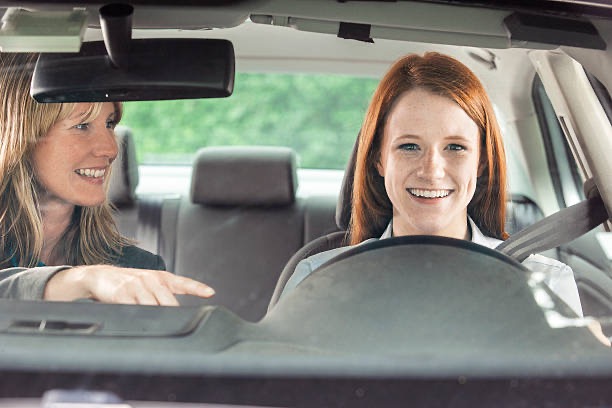
Make safe driving decisions independently
Why: This tests your ability to adapt to different driving environments, anticipate hazards, and follow the rules of the road.
anticipate hazards, and follow the rules of the road.
Tip: Practise defensive driving—mirror checks, lane positioning, speed control, and awareness of other road users.
Reversing Manoeuvre
You’ll be asked to perform one reversing exercise, chosen from:• Bay parking (reverse or forward in a car park)
• Parallel parking
• Pull up on the right-hand side, reverse 2 car lengths, and rejoin traffic
Why: You need to demonstrate control, observation, and accuracy.
Tip: Don’t rush the manoeuvre. Focus on safety checks—especially blind spots and mirrors. Book Now
Independent Driving (20 Minutes)
Why: This tests your ability to make decisions without constant instructions, just like in real-world driving.• Following road signs to a destination
• Following a sat nav (provided by the examiner/instructor), or
You’ll be asked to drive independently, either by:
Result & Feedback
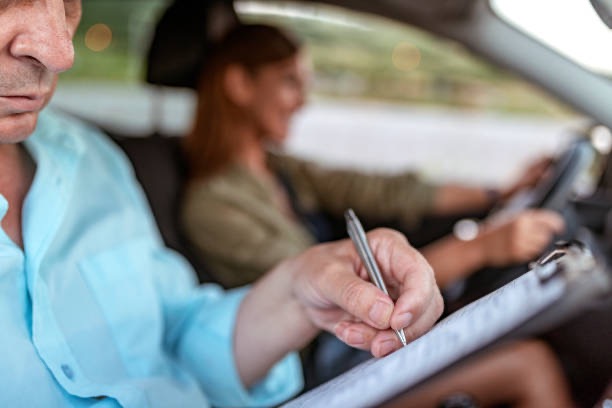
At the end of your mock test, your instructor will:
• Tell you if you would have passed or failed
• Give a breakdown of minor, serious, or dangerous faults
• Offer constructive feedback on how to improve
Why: This is your best learning opportunity. Take detailed notes and review mistakes so you don’t repeat them in the real test.
Tip: Do multiple mock tests before your real one to track progress and build confidence.
About Test Routes
“DVSA does not publish official test routes.”
This means:
• You won’t know your exact test route
• But instructors with experience will train you on similar roads and challenges
Your mock test should be based on:
• Likely DVSA test areas
• Roads with typical features: roundabouts, tricky junctions, hilly streets, bus lanes, etc.
• Common hazard zones or busy intersections
Mock Test Tip
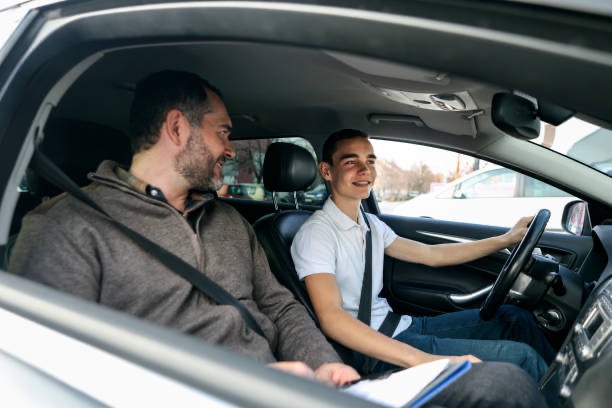
Before your real driving test, ask your instructor to give you a mock test. This helps you:
• Get used to the test format and pressure
• Identify any weak areas that need more practice
• Build confidence in driving under exam conditions
Treat it like the real thing — no hints or extra help — so you know exactly what to expect on the day.
Emergency Stop
The examiner may ask you to perform an emergency stop — this happens in about 1 in 3 tests.
Purpose:
It checks your reaction time, vehicle control, and safety in unexpected situations.
Tip:
• When instructed to stop, react promptly and firmly — but don’t slam the brakes unless absolutely necessary.
• Keep both hands on the wheel to stay in control.
• Once stopped, wait for the examiner’s signal and check all around before moving off again.