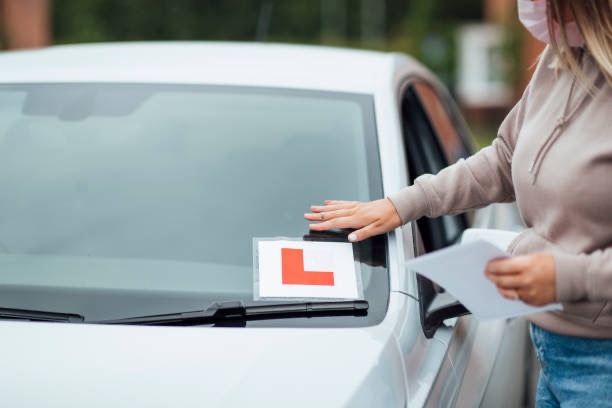


What Are Electric Car Driving Lessons?
If you’re looking for an eco-friendly and modern route to driving, electric car lessons are a great option.
• A greener choice, producing zero emissions while driving• A simplified driving experience (no gear changes, no biting point, no stalling)
• A future-focused way to learn (with the UK moving towards all-electric new cars by 2035)
These lessons are ideal for learners who want:
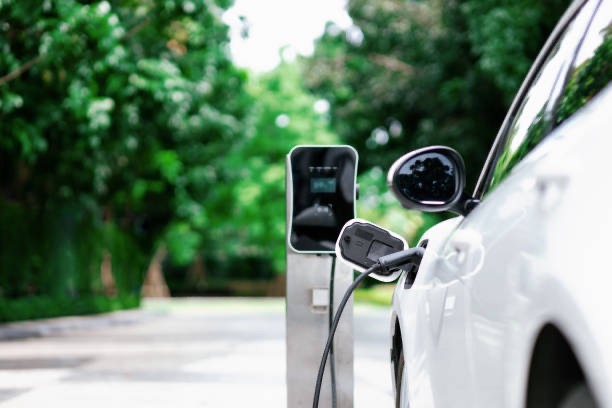
Electric car driving lessons are taught in a fully electric vehicle (EV) — powered only by electricity, with no petrol or diesel engine, no gears, and no clutch.
Electric Car Driving Lessons: Everything You Need to Know See Price

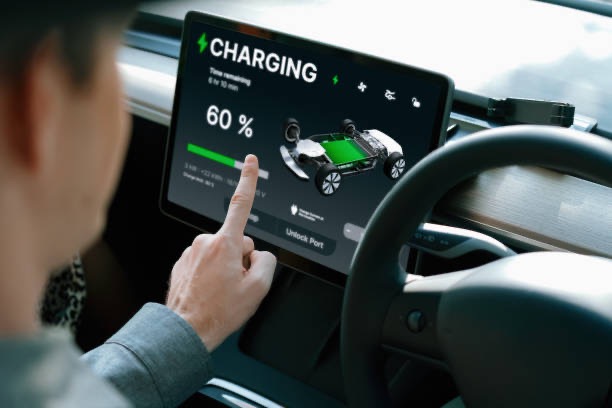
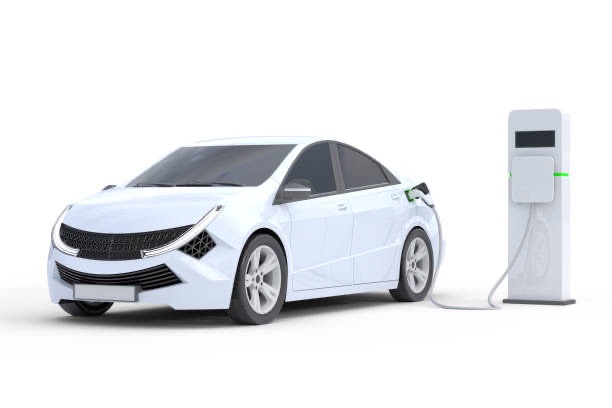
Key Features of Electric Vehicles (EVs)
No Gears or Clutch
All electric cars are automatic, using a single-speed transmission for seamless driving.Quiet Driving
EVs are almost silent when moving, producing minimal engine noise for a smoother, calmer experience.Instant Torque
Electric motors deliver immediate power, giving fast, smooth acceleration.Regenerative Braking
When you lift your foot off the accelerator, the car automatically slows down while recharging the battery.Eco-Friendly
EVs produce zero tailpipe emissions and have a lower environmental impact than petrol or diesel cars.See Price
What Happens During Electric Driving Lessons?
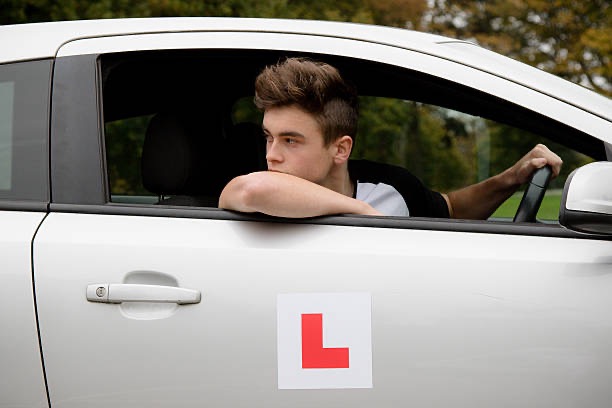
Electric driving lessons follow the same structure and DVSA curriculum as manual or automatic lessons, but you’ll be using an EV instead of a traditional car.
Here’s a typical breakdown:
Cockpit Drill and ControlsYou’ll start by learning:
• How to start an electric car (usually a start/stop button)• Dashboard and battery level indicators
• EV-specific controls (e.g. drive/reverse toggle, regen braking settings) Book Now
Moving Off and Stopping
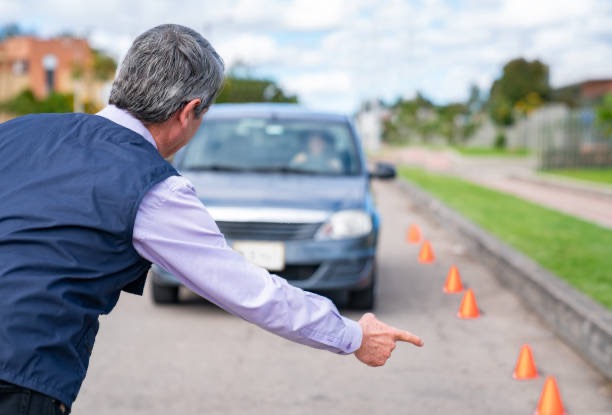
In an electric car, moving off and stopping is simpler than in a manual:
• No clutch or biting point – just press the accelerator to move off smoothly
• Two pedals only – accelerator and brake
• Smooth stopping – many EVs use regenerative braking, which slows the car as soon as you lift off the accelerator (this may feel different from petrol or diesel cars)
Driving Techniques
Driving an EV is designed to be smooth and straightforward, but there are some key skills you’ll focus on:
• Speed control – EVs have instant torque, so gentle acceleration is essential
• Road positioning and steering – keeping the car steady and in the correct lane
• Mirror use and awareness – regular checks for safety
• Traffic skills – handling junctions, roundabouts, traffic lights, and pedestrian crossings confidently
Manoeuvres
You’ll be taught all the standard test manoeuvres, including:
• Parallel parking• Bay parking (both forward and reverse)
• Pulling up on the right and reversing
• Emergency stop
Many learners find these manoeuvres easier in an EV thanks to:
• Smoother, more precise control• Instant response from the accelerator and brake
• Better visibility in most modern electric models
Advanced Driving Skills
As your lessons progress, you’ll also cover:• Driving on dual carriageways and faster roads
• Eco-driving techniques to maximise battery range
• (Optional) Planning for charging stops during longer journeys
These skills prepare you not just for the test, but for real-world driving in an electric car. Book Now
Electric Cars vs. Manual & Automatic Fuel Cars
Electric Cars (EVs)
• Power Source: Run only on electricity, stored in a rechargeable battery.
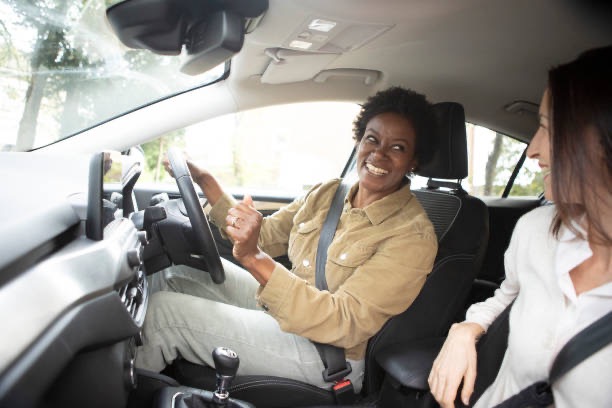
• Transmission: No gears, no clutch — just two pedals (accelerator + brake).
• Driving Experience: Smooth, quiet, instant acceleration, regenerative braking.
• Running Costs: Cheaper to run (electricity vs. petrol/diesel, fewer parts to maintain).
• Emissions: Zero tailpipe emissions.
Automatic Fuel Cars (Petrol/Diesel)
• Power Source: Petrol or diesel engine.
• Transmission: Automatic gearbox — no clutch, gears shift automatically.
• Driving Experience: Easier than manual, but can feel less smooth than EV.
• Running Costs: Higher fuel costs, more servicing needed (oil changes, gearbox, etc.).
• Emissions: Produces CO₂ and other pollutants.
Manual Fuel Cars (Petrol/Diesel)
• Power Source: Petrol or diesel engine.
• Transmission: Manual gearbox — requires clutch + gear changes.
• Driving Experience: More control, but harder to learn (stalling, biting point).
• Running Costs: Similar to automatic fuel cars, but usually cheaper to buy.
• Emissions: Produces CO₂ and other pollutants.